
Historicity and Wu
The Man in the High CastleThe novel explores how an object's meaning can come from a false past or from a living presence, and finally shows that true value lies in the present.
increasing Bearing strength in each event
 decreasing
Bearing strength in each eventdecreasingCollecting the Dead Past
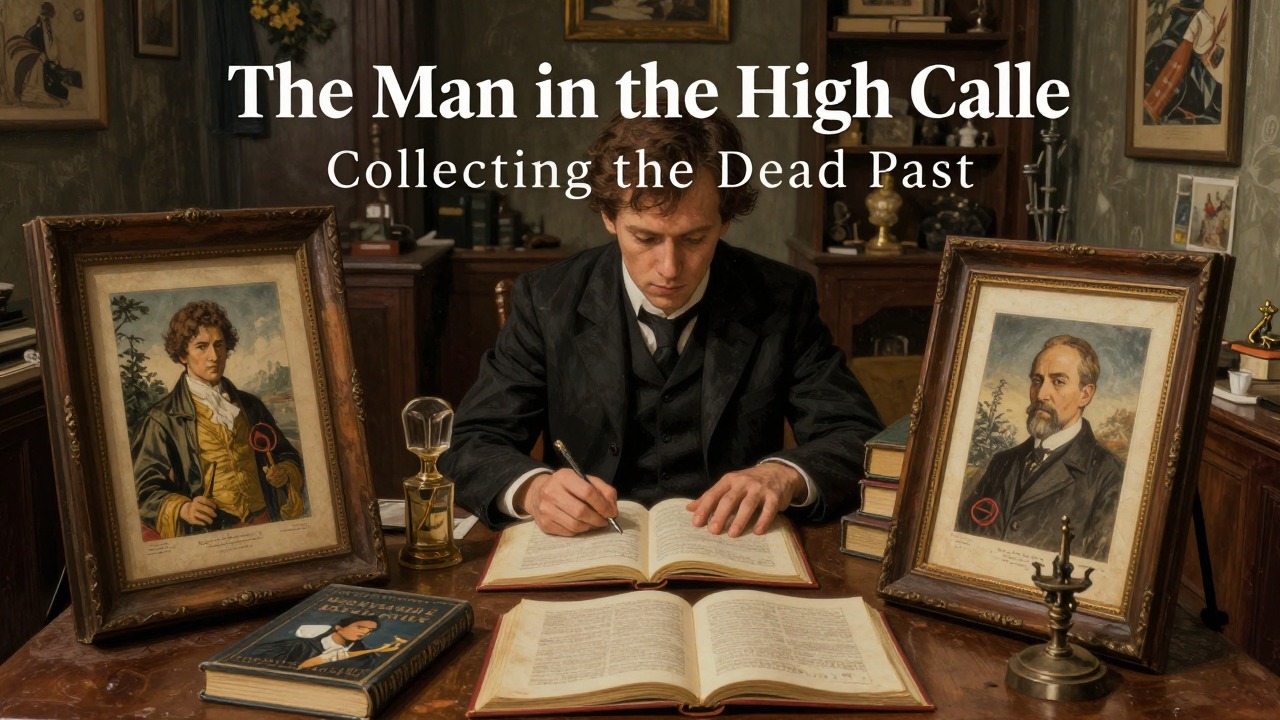
Collecting the Dead Past
Context
In the San Francisco art market, Japanese collectors pay fortunes for authentic American history. These objects are valuable because they carry a story of a vanished time.
Turning Point
Childan learns that some of his objects are forgeries, so their story is fake. The market is based on a lie.
Significance
Historicity is presented as a mental act, not a property of things. The novel asks what remains when the story is false.
The Forgery Machine
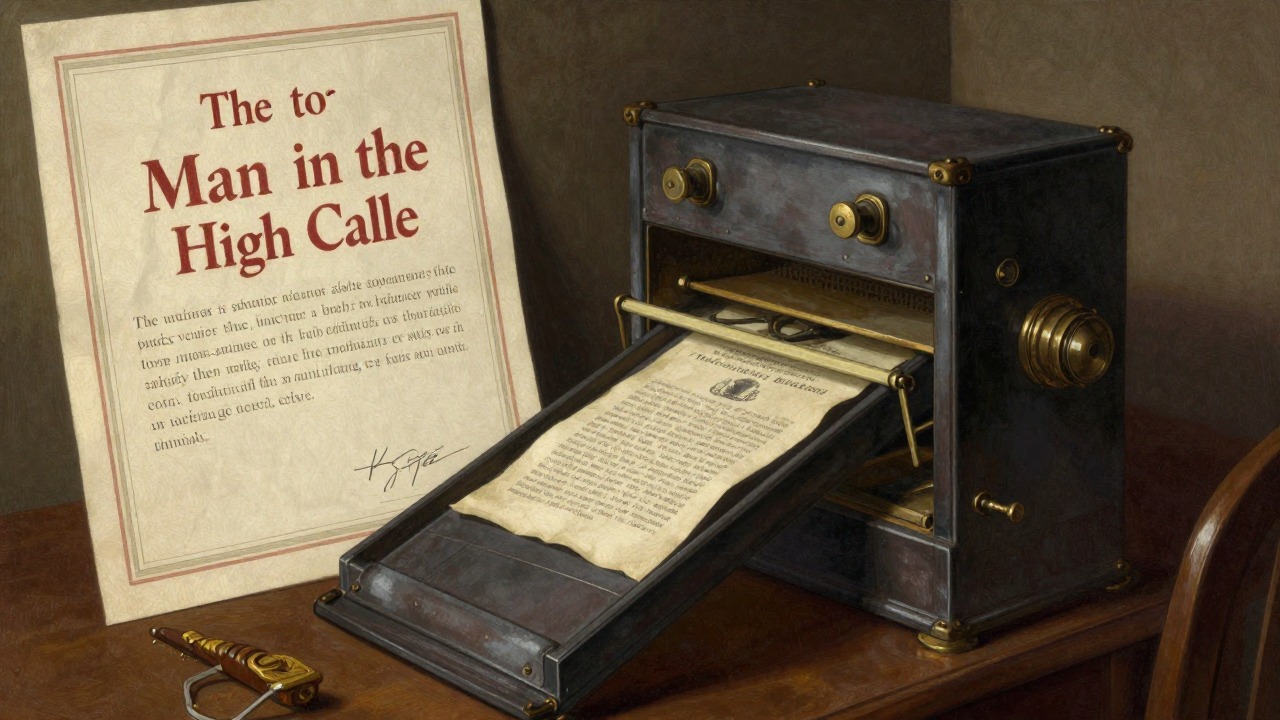
The Forgery Machine
Context
Wyndam-Matson's factory produces fake antiques that become indistinguishable from the real. The very idea of authenticity is manufactured.
Turning Point
Wyndam-Matson explains to Rita that even a genuine object only has value because of a paper certificate. The proof is more important than the thing itself.
Significance
The novel names the disease: the mind projects history onto matter. It asks if anything can be truly authentic in a world of copies and lies.
Wu in a Blob
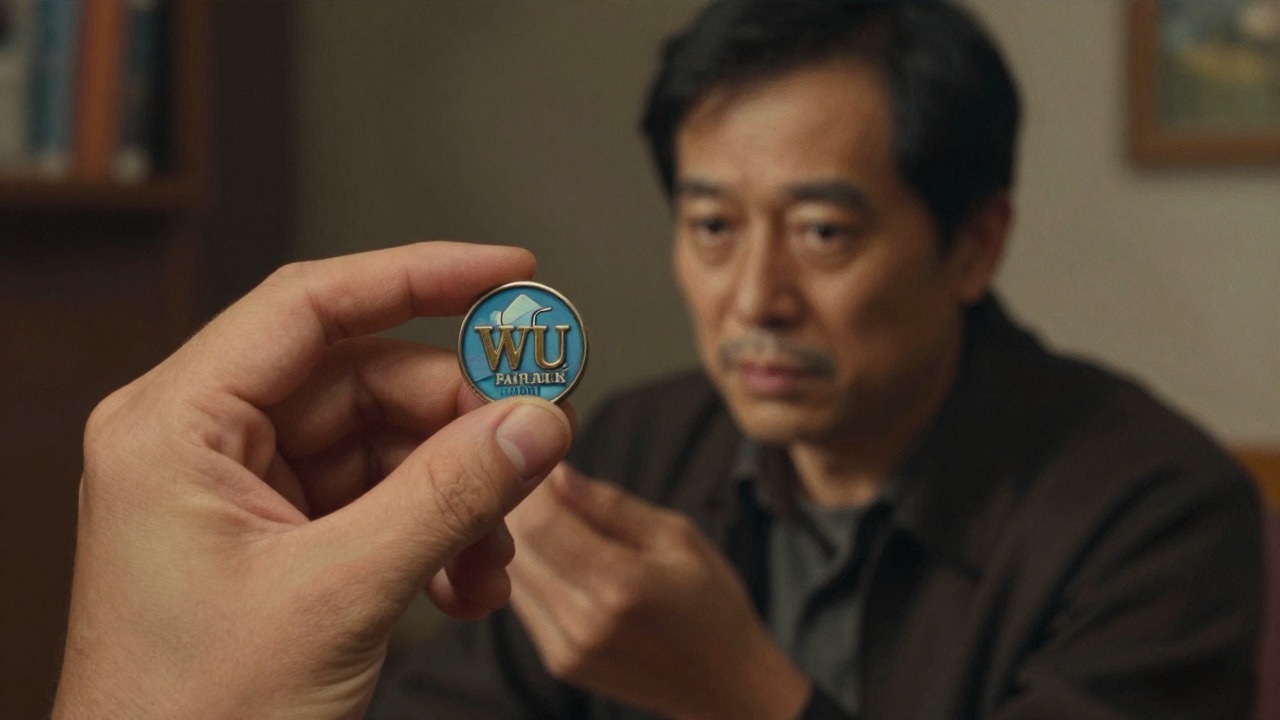
Wu in a Blob
Context
Paul Kasoura examines an Edfrank pin and finds that it has wu, a quality that cannot be defined as art or religion. It is alive in the now, with no history.
Turning Point
He says the unknowable makers have placed wu into the object, giving it a new kind of value. The piece matters because it is complete and present, not because of age.
Significance
Wu is the opposite of historicity. The novel uses this concept to suggest a way out of the pathology of the past.
The Silver Triangle
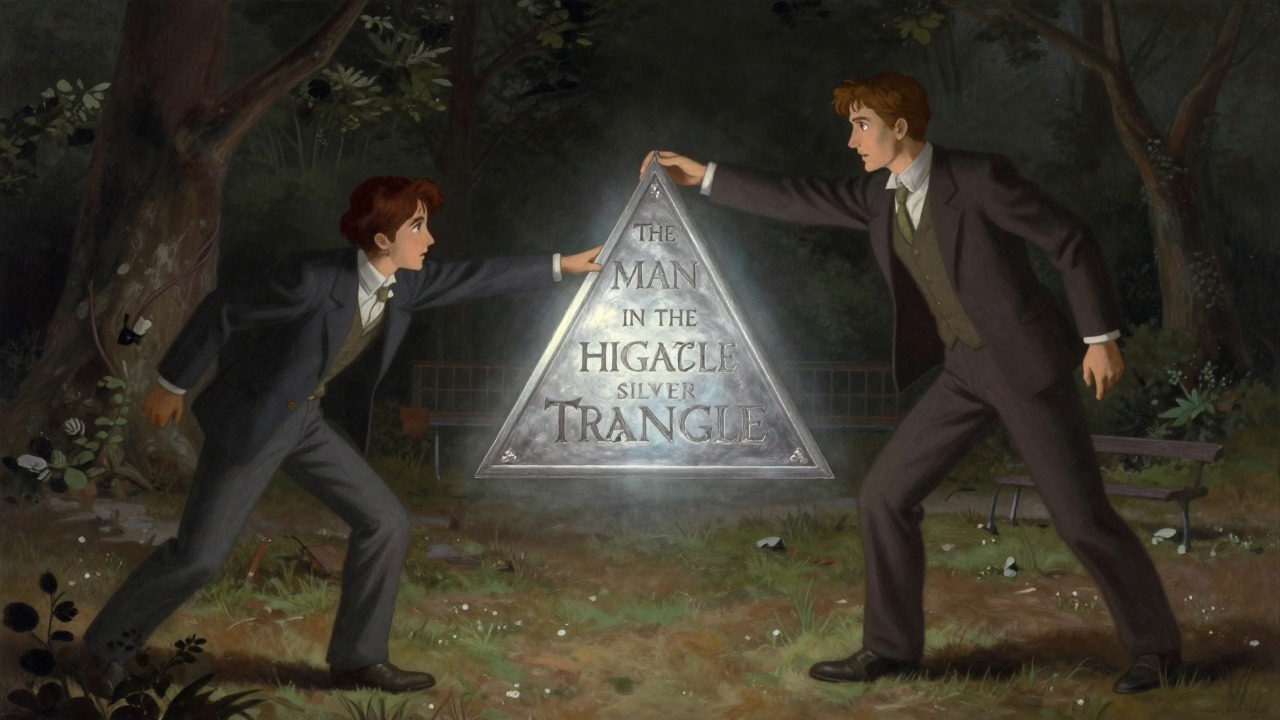
The Silver Triangle
Context
Nobusuke Tagomi carries the Edfrank silver triangle to a park and tries to force it to reveal its meaning. He is looking for a sign that will heal him.
Turning Point
For a moment, the object glows with light and seems to contain the whole universe. Then the world intrudes, and the vision vanishes.
Significance
The silver triangle has wu, but the observer must be ready to see it. Tagomi's longing cannot be cured by a single object; it must be lived.
A Book More Real Than History
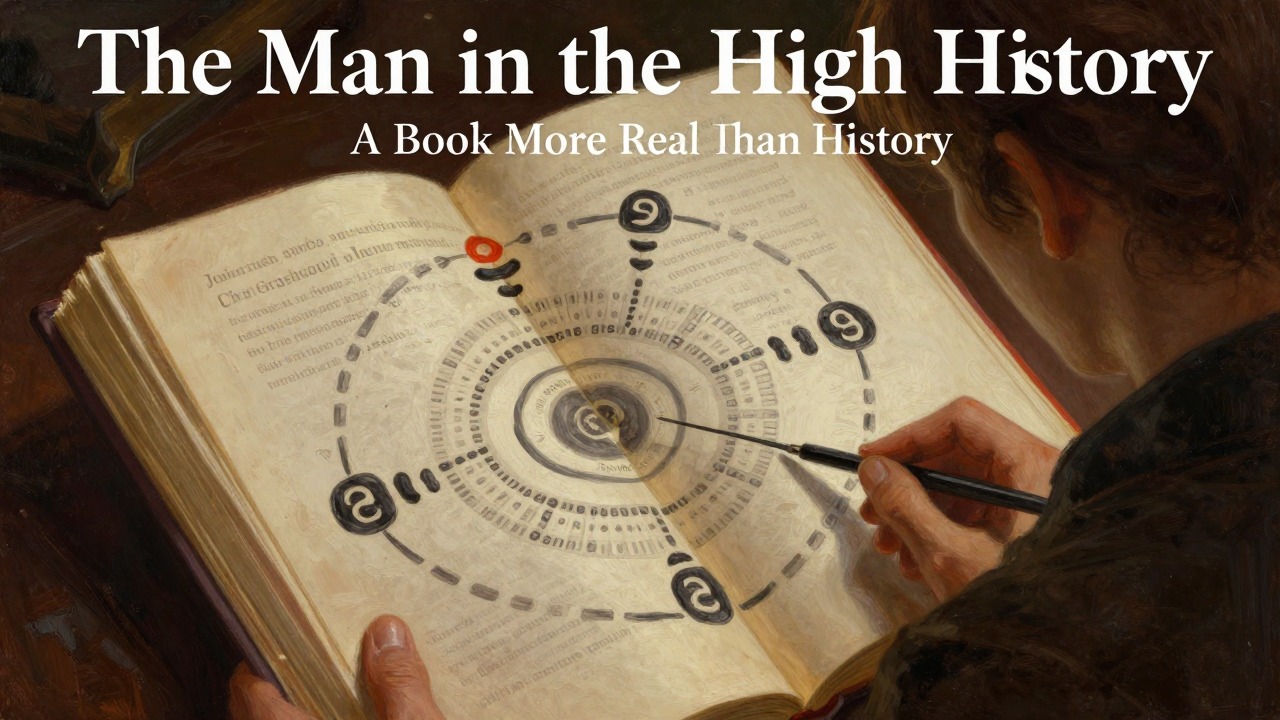
A Book More Real Than History
Context
Juliana asks the I Ching why The Grasshopper Lies Heavy was written and receives Hexagram Inner Truth. She tells Abendsen his invented world is true.
Turning Point
The truth of the book lies not in its historicity but in its presence. It speaks to the current moment with more power than the official history of the Reich.
Significance
The theme of historicity culminates in the book itself. Like the wu objects, The Grasshopper is valuable not because it is old but because it is true.
as Childan and his Japanese customers trade antiques
inside W-M Corporation
when Paul Kasoura meditates on the Edfrank pin
when Tagomi sits in Portsmouth Square
when Julliana speaks to Abendsen
